


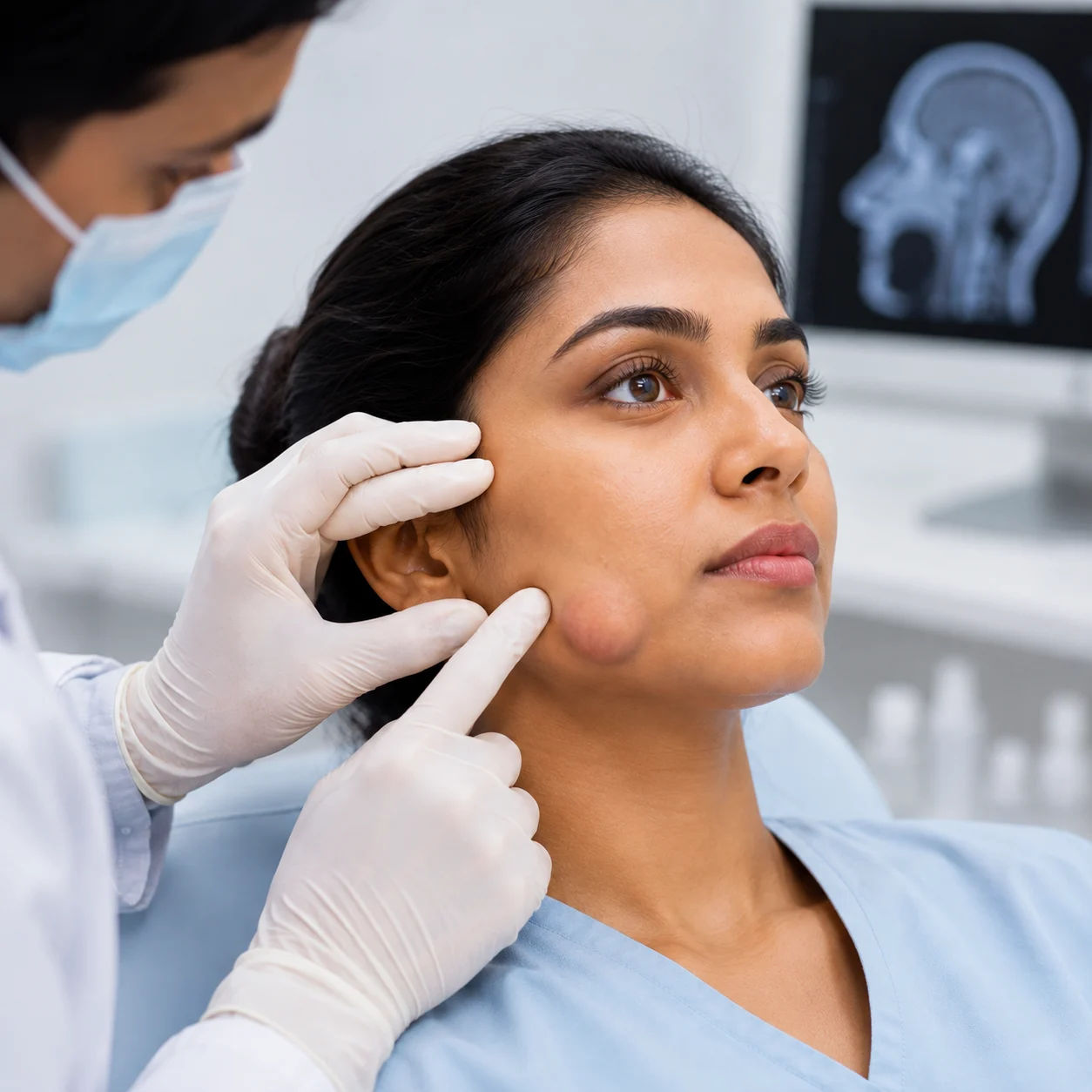
Comprehensive Diagnosis & Treatment for Facial Tumours and Oral Cancer
Facial tumours are abnormal growths involving facial soft tissues or related structures. They may be benign (non-cancerous) or malignant (cancerous). Early evaluation helps clarify the nature of a lesion and supports timely, appropriate care.
At Dr. Ranjeet Gandhi's Aesthetics – The Face Clinic in Solapur, care is led by Dr. Ranjeet Gandhi (BDS, MDS, FRFPS, FMPAS, FPFA USA), Oral & Maxillofacial Cosmetic Surgeon. Assessment may include clinical examination and imaging when appropriate, with surgical management and reconstructive planning when required. Multidisciplinary coordination and personalized follow-up are arranged as clinically indicated.
Conditions & Treatments We Manage
Select a topic to learn more. Each link scrolls to detailed information on this page.
- Benign Facial Tumours
- Oral Cancer Evaluation
- Facial Tumour Surgery
- Oral Tumour Surgery
- Facial Reconstruction After Tumour Surgery
- Post-Surgical Follow-Up & Rehabilitation
Common Signs & Symptoms
These signs may warrant professional evaluation, especially if they persist:
- Persistent Mouth Ulcer
- Facial Swelling
- Lump on the Face or Jaw
- Difficulty Chewing
- Difficulty Swallowing
- Persistent Pain
- Non-Healing Sores
- Changes in Oral Tissues
If symptoms continue for more than two weeks or worsen, schedule a clinical consultation for timely assessment.
Comprehensive Clinical Evaluation
Your diagnostic approach is individualized. Depending on findings, assessment may include:
- Medical History
- Clinical Examination
- Digital Imaging (when appropriate)
- Biopsy Referral or Coordination (when indicated)
- Personalized Treatment Planning
Not every patient requires every investigation. Recommendations are based on clinical need.
Benefits of Early Evaluation
Timely specialist review supports clearer decision-making and coordinated care. Key benefits include:
- Timely Diagnosis
- Individualized Treatment Planning
- Functional Preservation
- Improved Quality of Life
- Coordinated Care
- Long-Term Follow-Up
- Patient Education
- Comprehensive Support
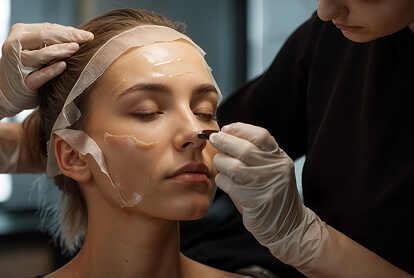


modern diagnostic approach
Clinical review and selected investigations guide an accurate working plan.

comprehensive surgical care
Operative management is considered only when clinically appropriate.

patient-centered support
Counseling focuses on clarity, comfort and shared decision-making.

ethical clinical practice
Recommendations remain factual and free from outcome guarantees.
Your Treatment Journey
From first visit to follow-up, your pathway is structured for clarity and continuity of care.
- Initial Consultation — discuss symptoms, history and concerns
- Clinical Examination — assess facial and oral tissues carefully
- Diagnostic Evaluation — imaging or biopsy coordination when indicated
- Personalized Treatment Planning — define medical, surgical or staged care
- Surgical Treatment or Appropriate Management — proceed as clinically advised
- Recovery & Follow-Up Care — monitor healing and long-term needs


6
care pathways outlined

Care First
Patient-Focused Approach

6
step care journey
Why Choose Our Oral & Maxillofacial Care?
Patients choose Dr. Ranjeet Gandhi's Aesthetics – The Face Clinic for careful evaluation and ethical guidance for selected facial and oral tumour concerns.
- Oral & Maxillofacial Surgical Expertise
- Personalized Treatment Planning
- Modern Diagnostic Approach
- Comprehensive Surgical Care
- Patient-Centered Support
- Ethical Clinical Practice
Benign Facial Tumours
Overview
Benign facial tumours are non-cancerous growths that may arise in soft tissues or related facial structures. While not malignant, they can still cause swelling, discomfort or functional concern and benefit from proper evaluation.
Common Symptoms
- A visible or palpable lump on the face
- Slowly enlarging swelling without acute infection signs
- Localized discomfort or pressure symptoms
- Change in facial contour noticed over time
When to Seek Evaluation
- A new facial lump that persists or enlarges
- Swelling associated with pain, numbness or skin changes
- Uncertainty about whether a growth is benign
- Dentist or physician referral for specialist review
Diagnosis
Diagnosis typically begins with medical history and clinical examination. Imaging may be advised when helpful, and biopsy or specialist coordination may be recommended when tissue diagnosis is needed.
Treatment Options
- Observation for selected stable lesions when appropriate
- Surgical removal when clinically indicated
- Histopathology review to confirm diagnosis when tissue is obtained
- Follow-up planning based on findings
Oral Cancer Evaluation
Overview
Oral cancer evaluation focuses on careful assessment of persistent oral lesions, ulcers, tissue changes or other warning signs. Early specialist review supports timely diagnosis and coordinated care planning.
Common Symptoms
- A mouth ulcer that does not heal
- White, red or mixed patches in the mouth
- Unexplained oral pain or bleeding
- Difficulty chewing, swallowing or moving the tongue
When to Seek Evaluation
- Any oral lesion lasting longer than two weeks
- Persistent pain, numbness or unexplained bleeding in the mouth
- A lump in the neck or jaw with oral tissue changes
- Risk-factor history with new oral symptoms
Diagnosis
Evaluation may include clinical oral examination, review of habits and medical history, imaging when appropriate, and biopsy referral or coordination when tissue diagnosis is indicated. Not every patient requires every investigation.
Treatment Options
- Structured clinical assessment of oral tissues
- Risk-based guidance and patient education
- Referral pathway for biopsy or oncology coordination when needed
- Personalized next-step planning after evaluation
Facial Tumour Surgery
Overview
Facial tumour surgery involves planned removal of selected facial tumours when indicated after clinical assessment and diagnostic work-up, with attention to function and facial form.
Common Symptoms
- A confirmed or strongly suspected facial tumour requiring removal
- Growth causing functional or aesthetic concern
- Lesions with uncertain behavior needing definitive excision
- Referral for surgical management after evaluation
When to Seek Evaluation
- When clinical and diagnostic findings support surgical removal
- When a lesion is enlarging, symptomatic or diagnostically unclear
- When pathology results indicate further surgical management
- After discussion of benefits, risks and alternatives
Diagnosis
Pre-surgical planning may include examination, imaging and discussion of expected recovery. Pathology review of removed tissue helps guide further care when indicated.
Treatment Options
- Surgical excision tailored to tumour type and location
- Attention to surrounding structures and facial contours
- Coordination with reconstructive planning when needed
- Post-operative review and histopathology-guided follow-up
Oral Tumour Surgery
Overview
Oral tumour surgery addresses selected growths or lesions of the oral cavity and related structures when surgical management is clinically appropriate after evaluation.
Common Symptoms
- Oral lumps, growths or suspicious tissue changes
- Lesions interfering with chewing, speech or comfort
- Biopsy-proven tumours requiring definitive surgery
- Recurrent or residual lesions after prior care
When to Seek Evaluation
- When oral pathology evaluation supports surgical treatment
- When a lesion persists, enlarges or causes functional issues
- When tissue diagnosis indicates operative management
- When multidisciplinary input recommends surgical care
Diagnosis
Assessment may combine oral examination, imaging when useful and biopsy findings. Treatment goals include complete management of the lesion while supporting oral function wherever possible.
Treatment Options
- Excision or surgical management matched to lesion type
- Preservation of oral function as a planning priority
- Histopathology correlation after surgery when indicated
- Structured post-operative monitoring
Facial Reconstruction After Tumour Surgery
Overview
Facial reconstruction after tumour surgery aims to support form and function when tissue removal creates a defect that benefits from reconstructive planning.
Common Symptoms
- Soft-tissue or contour changes after tumour removal
- Functional concerns affecting speech, chewing or facial movement
- Need for staged reconstruction after primary surgery
- Referral for reconstructive planning following tumour care
When to Seek Evaluation
- When tumour surgery creates a significant soft-tissue or contour defect
- When function or appearance would benefit from reconstructive support
- When staged reconstruction is part of the agreed care plan
- After healing assessment from the primary procedure
Diagnosis
Reconstructive options depend on defect size, location and overall health. Planning is individualized and may be coordinated with the primary surgical pathway.
Treatment Options
- Reconstruction planned around functional and aesthetic priorities
- Techniques selected according to defect characteristics
- Staged care when clinically appropriate
- Follow-up to monitor healing and function
Post-Surgical Follow-Up & Rehabilitation
Overview
Post-surgical follow-up and rehabilitation support healing, monitor recovery and address functional needs after tumour-related surgery through scheduled reviews and guidance.
Common Symptoms
- Need for wound-healing and recovery review after surgery
- Concerns about speech, chewing or mouth opening during recovery
- Scheduled surveillance after tumour or lesion management
- Guidance on return to routine activities
When to Seek Evaluation
- After any tumour-related facial or oral surgery
- If new symptoms appear during recovery
- When pathology results require additional planning
- For long-term monitoring as advised by your care team
Diagnosis
Follow-up frequency is individualized. Visits may include clinical review, discussion of pathology findings, rehabilitation guidance and coordination with other specialists when needed.
Treatment Options
- Structured recovery check-ins
- Support for comfort and functional rehabilitation
- Clear communication of next steps based on findings
- Long-term monitoring plan when clinically indicated
Frequently asked questions
Facial tumours are abnormal growths involving facial soft tissues or related structures. They may be benign or malignant and require clinical evaluation for accurate characterization.
No. Many facial growths are benign. Only clinical assessment, and when indicated imaging or biopsy, can clarify the nature of a lesion.
Persistent ulcers, non-healing sores, unexplained oral lumps, red or white patches, difficulty swallowing and persistent oral pain warrant timely evaluation.
Seek review for lesions lasting more than two weeks, enlarging facial or oral lumps, unexplained pain, numbness, bleeding or difficulty chewing or swallowing.
Diagnosis may involve history, examination, imaging when appropriate and tissue biopsy when indicated. Not every patient needs every test.
Not always. Management depends on the diagnosis. Some lesions are observed, while others need surgery or coordinated specialist care.
Reconstructive surgery aims to support facial form and function after tumour removal when a significant defect is present. Plans are individualized.
Recovery varies with procedure extent and overall health. Your care plan will outline expected timelines, activity guidance and review visits.
Yes in most cases. Follow-up helps monitor healing, review pathology findings and plan any additional care that may be needed.
Selected facial and oral tumour conditions are evaluated and managed here. Complex oncology pathways may involve coordinated multidisciplinary referral when appropriate.
Care is led by Dr. Ranjeet Gandhi, BDS, MDS, FRFPS, FMPAS, FPFA (USA), Oral & Maxillofacial Cosmetic Surgeon.
Book online via the appointment page or call +91 9119562828 / +91 7028562828 to schedule a visit at our Solapur clinic.
 Face Tumours Oral Cancer Evaluation Facial Tumour Surgery Maxillofacial Surgeon